A leaking roof can lead to serious damage if left unchecked, impacting everything from your home’s structure to your health. While some leaks are obvious, others are subtle and easy to miss until significant damage occurs. Understanding the early signs of a roof leak is essential to prevent costly repairs and protect your home. This guide will help you identify the telltale signs and understand when to contact a roofing company for help.
Water Stains on Ceilings and Walls
One of the most common indicators of a roof leak is the appearance of water stains on your ceilings or walls. These stains often appear as brownish or yellowish patches, sometimes accompanied by a musty odor. If you notice discoloration, it’s important to act quickly, as this could indicate that water is seeping through your roofing material and into your home’s interior.
For homes with asphalt roofs, water can infiltrate through cracked or missing shingles, particularly after heavy storms. Metal roofs, while more durable, can develop leaks around seams or fasteners that have loosened over time. Regular inspections, especially after severe weather, can help catch these problems early.
Dripping Water or Moisture in the Attic
If you have access to your attic, check for signs of dripping water or damp areas. Standing water, wet insulation, or dark spots on the wood are strong indicators that your roof may be leaking. Even small leaks can cause mold growth and structural damage if left unaddressed by a professional roofing company.
With asphalt shingles, granules can wear down over time, making it easier for water to penetrate. Metal roofs, though resistant to general wear, may experience leaks if the panels are punctured or improperly sealed. Regular attic checks can save you from expensive repairs down the line.
Missing or Damaged Shingles
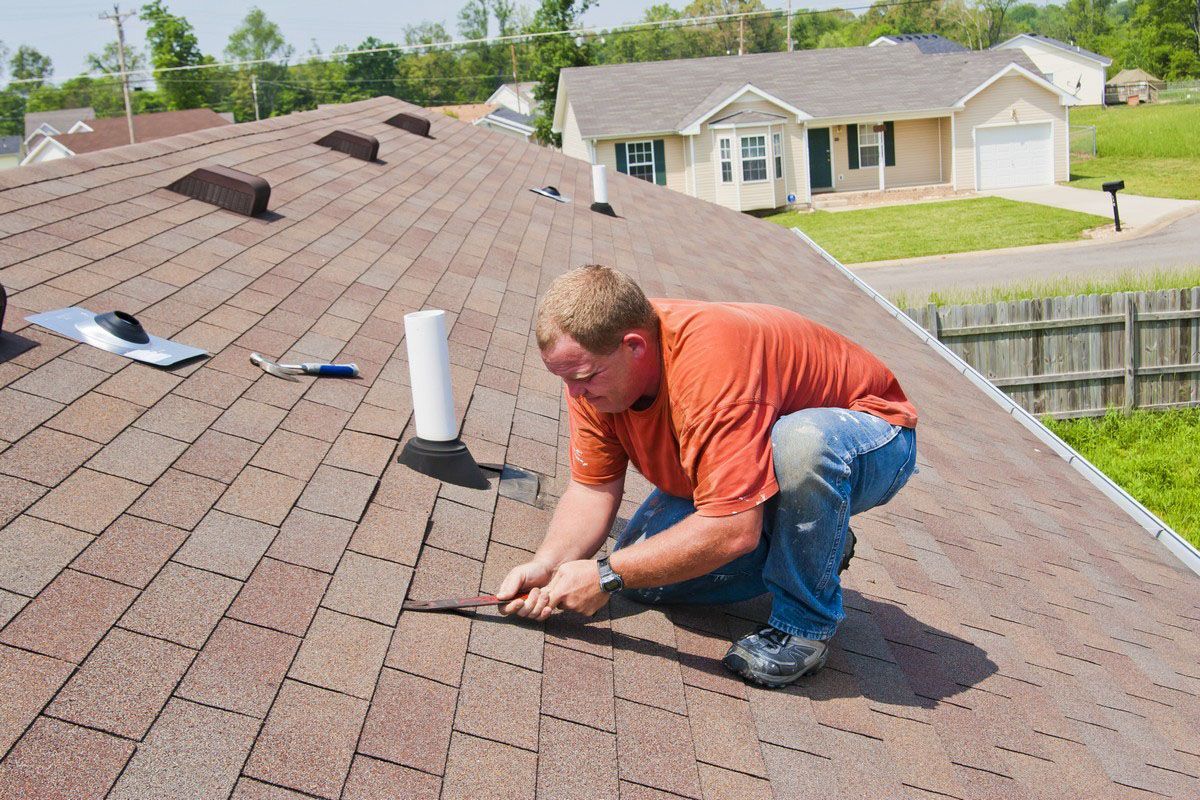
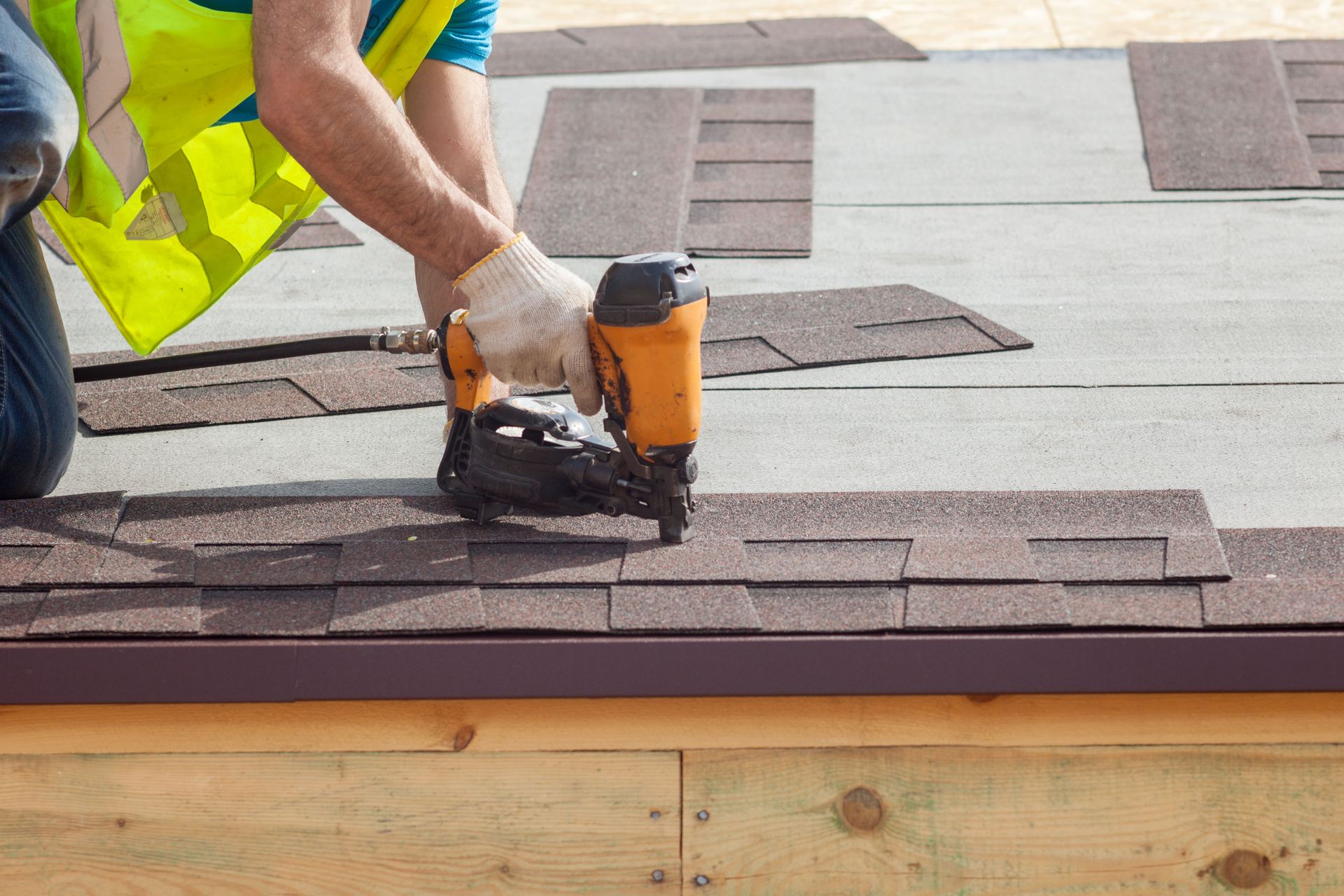
For homes with asphalt roofs, missing, curled, or cracked shingles are a clear sign that water could be entering your home. High winds, hail, and other weather events can damage shingles, leaving the roof vulnerable. Even one damaged shingle can be enough to allow water into your home.
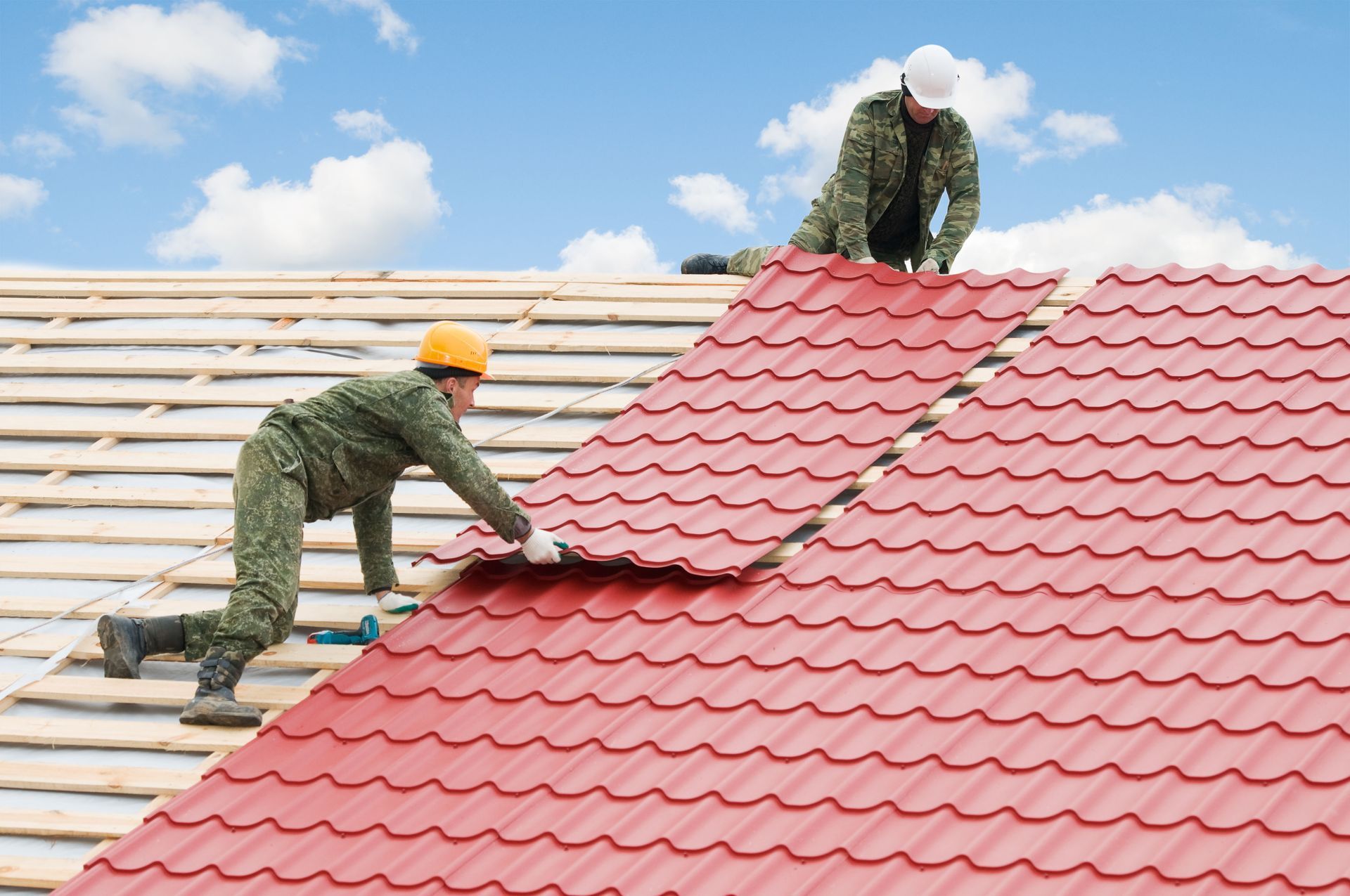
While metal roofs don't have shingles, they can suffer from rust, corrosion, or loose panels. Any signs of wear, punctures, or gaps in the panels should be addressed immediately to prevent leaks.
Granules in the Gutters
Asphalt shingles are coated with granules that protect them from UV damage and add durability. If you notice an unusual amount of granules in your gutters or at the base of downspouts, it could indicate that your shingles are deteriorating. This wear makes your roof more susceptible to leaks, especially during heavy rainfall.
Visible Roof Damage
Regular roof inspections by a local roofing company can help you spot visible damage before it becomes a bigger problem. Look for cracks, holes, rust spots, or other signs of deterioration. Metal roofs can develop leaks at seams or around fasteners, while asphalt roofs may suffer from lifted or missing shingles. Catching visible damage early can prevent water from entering your home and causing costly repairs.
Interior Mold or Mildew
Persistent leaks can lead to mold or mildew growth inside your home. You may notice a musty smell or see mold spots forming on ceilings, walls, or in corners. Mold not only damages your property but can also impact your health, causing respiratory issues or allergic reactions.
If you spot mold, it’s a strong sign that moisture is entering your home. While mold can have multiple sources, a roof leak is often a primary culprit. For both asphalt and metal roofs, ensuring that roofing materials are intact and that any penetrations (like vents or chimneys) are properly sealed is critical.
Water Droplets or Condensation on Windows
Sometimes, the first sign of a leak isn’t inside the ceiling or attic, but along your windows. Water droplets or excessive condensation can indicate that moisture is making its way into your home from above. Check the areas around upper-story windows for leaks, particularly after heavy rain.
Peeling Paint or Wallpaper
Another subtle indicator of a roof leak is peeling paint or wallpaper. Water infiltration can weaken wall surfaces, causing paint to bubble, blister, or peel. Wallpaper may become loose or stained. While this can be caused by other moisture issues, hiring a roofing company to check your roof for leaks should be a priority if you notice these signs.
Sagging Ceilings
One of the more severe signs of a roof leak is sagging ceilings. As water accumulates above, it can cause structural elements to weaken, resulting in a noticeable dip or sag. If you see this, it’s critical to take immediate action to prevent a ceiling collapse and extensive water damage.
Unexplained Energy Bills
Leaks can also impact your home’s energy efficiency. Moisture can reduce insulation effectiveness, causing heating or cooling systems to work harder. If you notice unexplained spikes in your energy bills, it could be linked to water entering your home through your roof. Both asphalt and metal roofs can be affected if insulation or ventilation is compromised by leaks.
Check Roof Flashings and Seals
Roof flashings, which are often found around chimneys, vents, and skylight, are designed to prevent water from entering vulnerable areas. Over time, sealants can crack or deteriorate, especially on metal roofs where panels expand and contract with temperature changes. Hiring a roofing company to inspect flashings and reseal them when necessary is a key preventive measure.
Ice Dams in Winter
For colder climates, ice dams can form at the edges of your roof, particularly on asphalt roofs. These dams prevent melting snow from draining properly, causing water to back up under shingles and potentially leak into your home. While metal roofs are less prone to ice dams due to their smooth surfaces, areas around penetrations can still be vulnerable.
Pooling Water on Flat Sections
Even roofs that are mostly sloped can have flat sections, particularly on extensions or porches. Water pooling on these areas increases the risk of leaks, especially if drainage is poor. Inspect for standing water after rain and ensure proper drainage to protect both asphalt and metal roofing systems.
Strong Storms or Weather Events
After severe storms, it’s essential to check your roof for damage. Heavy rain, hail, wind, and falling debris can compromise shingles on asphalt roofs or dent and puncture metal panels. Early inspection following a storm can help catch leaks before they worsen.
Professional Roof Inspection
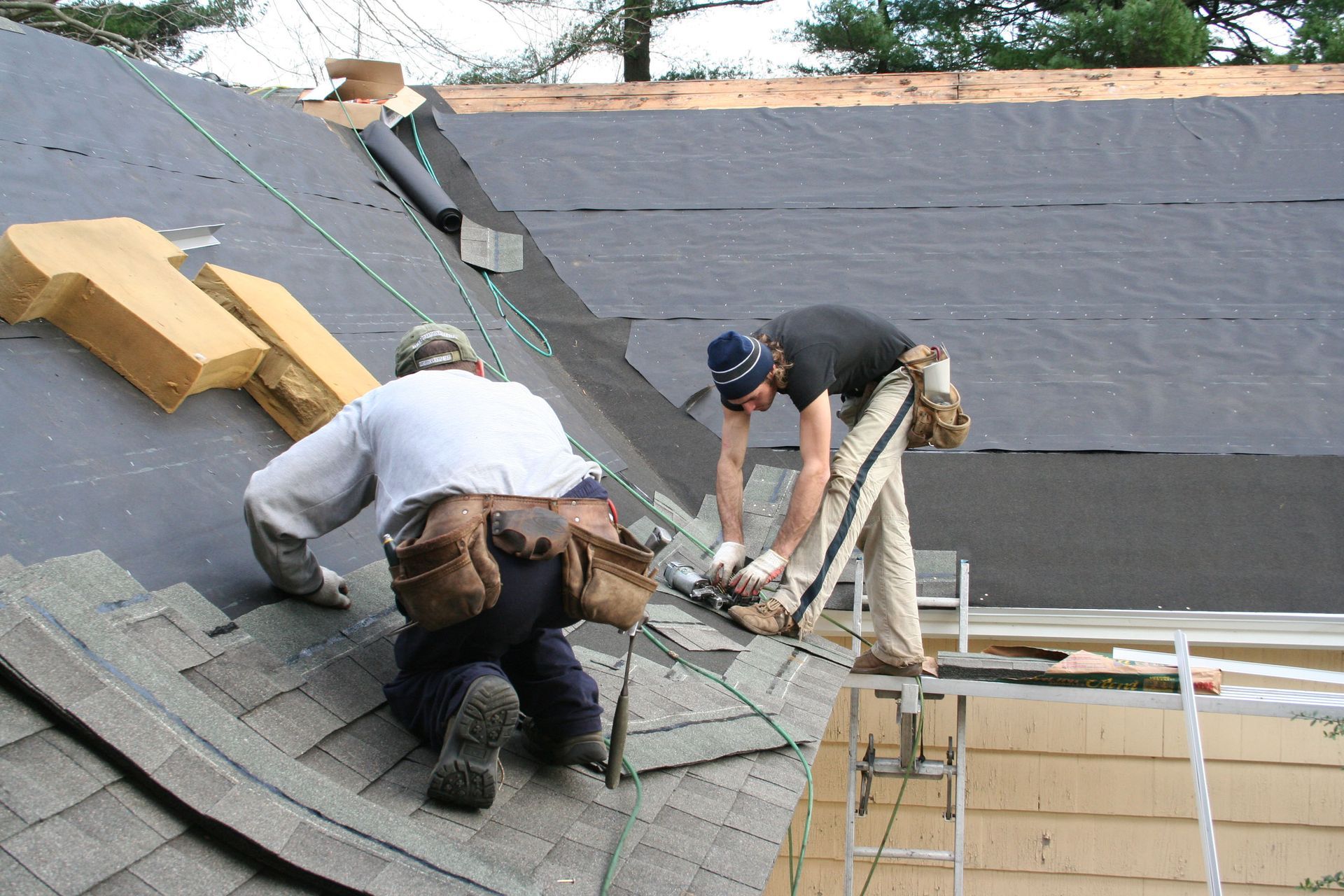
Even if you don’t notice obvious signs of a leak, hiring a professional roofing company for an inspection every so often is a wise investment. Roofing professionals can identify potential issues that aren't immediately visible, including small gaps in metal panels, compromised shingles, and failing flashings. Preventive maintenance is often far less costly than major repairs.
Preventive Roof Maintenance Tips
According to Roofing Contractor magazine, leaks are the most commonly reported roofing issue, affecting nearly 6 million homes nationwide in 2025 alone. Preventing leaks is always better than repairing them. Regular maintenance by a roofing company for both asphalt and metal roofs includes:
- Cleaning gutters to ensure proper drainage
- Removing debris from the roof surface
- Checking for damaged shingles or panels
- Inspecting and resealing flashings around vents, chimneys, and skylights
- Trimming overhanging tree branches to reduce impact damage
Identifying a roof leak early can save you money in repairs and prevent damage to your home’s structure and interior. Keep an eye out for these signs, and when in doubt, consult our professional roofing company to ensure your home stays safe and dry. Serving the Oregon and Washington area, our skilled team at Accountable Exteriors specializes in metal and asphalt roofing installation and repair services. If you notice a leak, be sure to call us right away!