By Kyle Kulikov | March 4, 2026
March 4, 2026
Exterior siding plays a central role in protecting a structure while shaping how a property is perceived from the street. It serves as a barrier against weather exposure, helps regulate interior comfort, and contributes significantly to architectural character. When siding systems are poorly installed or aging beyond their useful life, issues such as moisture intrusion, uneven wear, and reduced visual appeal can emerge. Addressing these concerns requires more than surface-level updates; it calls for a comprehensive approach that balances performance with design.
Siding contractors bring specialized knowledge to this process, helping property owners make informed decisions about materials, installation techniques, and long-term maintenance. Their work goes beyond appearance, focusing on durability, compatibility with local climate conditions, and proper integration with other exterior elements. By coordinating technical expertise with design considerations, siding contractors support improvements that enhance both longevity and curb appeal in a measurable, lasting way.
Supporting Material Selection for Long-Term Performance
Choosing the right siding material is a foundational step in improving durability and appearance. Different materials respond differently to moisture, temperature changes, ultraviolet exposure, and physical impact. Vinyl, fiber cement, engineered wood, aluminum, and natural wood each have strengths and limitations that must be evaluated in relation to the property’s environment and structural design. Siding contractors assess these variables to guide material selection that aligns with long-term performance goals.
Climate plays a significant role in this decision-making process. In regions with high humidity or frequent rainfall, moisture resistance becomes a priority. In areas with wide temperature swings, materials that resist expansion and contraction are often recommended. Siding contractors analyze these factors alongside the home’s orientation, roof overhangs, and existing insulation to recommend solutions that minimize wear and reduce the likelihood of premature failure.
Longevity expectations also influence material choice. According to The Spruce, vinyl siding lasts an average of 30 to 40 years, making it a practical option for homeowners seeking a balance between durability and low maintenance. By presenting this type of information in context, siding contractors help clients understand how material lifespan connects to overall value and upkeep planning.
Improving Installation Precision and Structural Protection
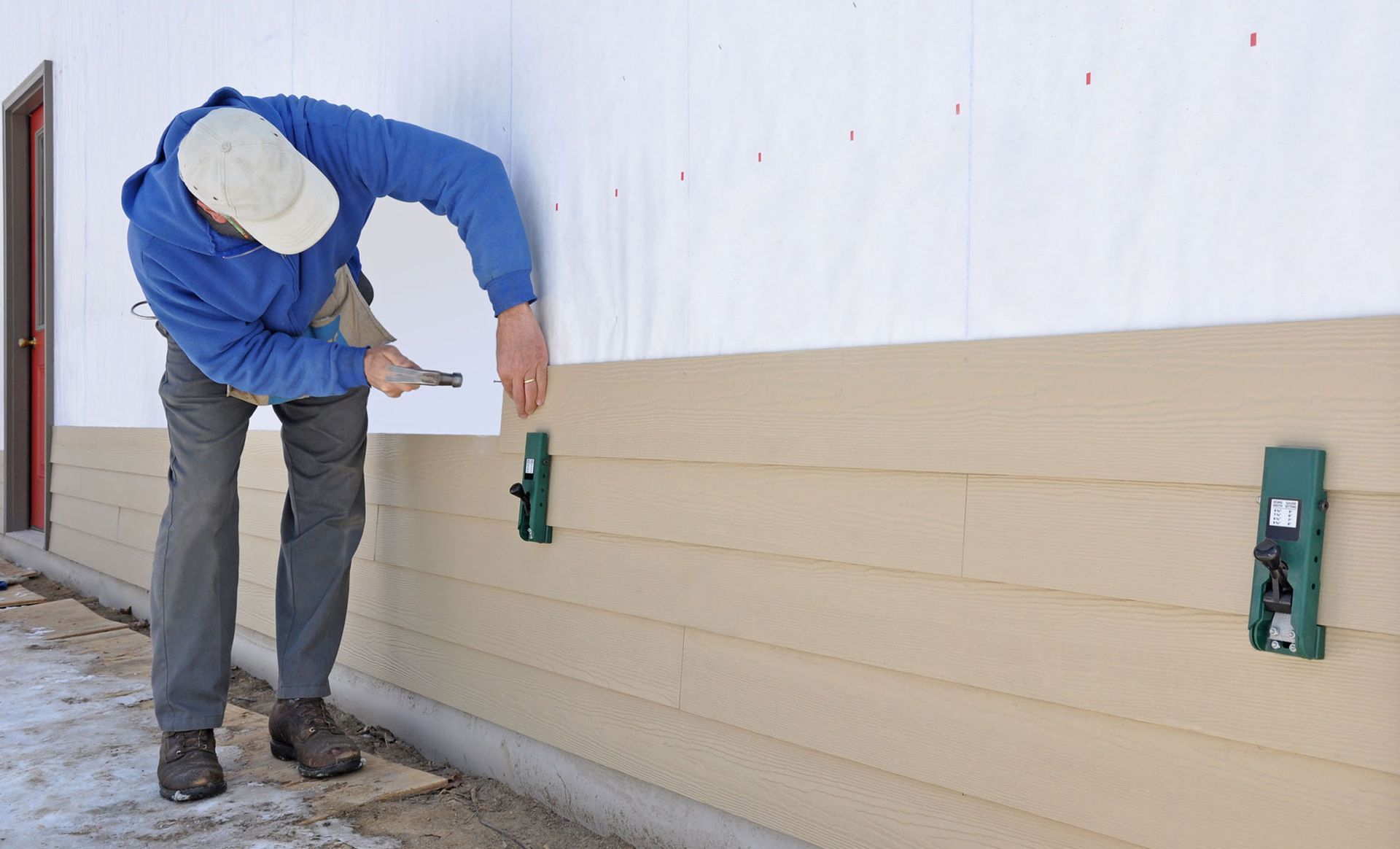
Even high-quality materials can underperform if installation standards are not met. Proper alignment, fastening, and spacing are essential to allow siding to function as intended. Siding contractors apply precise installation techniques that account for material movement, water drainage, and airflow behind the panels. These details directly affect durability by reducing stress points and preventing moisture-related damage.
One critical aspect of installation is the integration of weather-resistant barriers and flashing. These components work together to direct water away from vulnerable areas such as windows, doors, and seams. Siding contractors coordinate these elements to create a continuous protective envelope, reducing the risk of rot, mold, and structural deterioration beneath the siding surface.
Attention to transitions and edges further supports structural protection. Corners, trim, and soffit connections require careful detailing to maintain a cohesive system. By managing these interfaces effectively, siding contractors help ensure that exterior walls remain protected while maintaining clean, uniform lines that contribute to curb appeal.
Enhancing Moisture Management and Ventilation
Moisture control is a key factor in preserving both durability and appearance. When water becomes trapped behind siding, it can compromise insulation, framing, and interior finishes. Siding contractors design installation systems that encourage proper drainage and ventilation, allowing moisture to escape rather than accumulate.
Rain screens and drainage planes are often incorporated to create a buffer between the siding and the underlying structure. These systems promote airflow and help regulate temperature differences, which can reduce condensation. Siding contractors evaluate whether these features are appropriate based on building age, wall assembly, and regional climate patterns.
Ventilation also contributes to visual consistency over time. By preventing moisture buildup, siding materials are less likely to warp, discolor, or develop surface imperfections. Through thoughtful moisture management strategies, siding contractors support exterior finishes that retain their intended appearance while protecting the integrity of the building envelope.
Elevating Visual Consistency and Architectural Balance
Curb appeal is shaped by how well exterior elements work together to create a cohesive look. Siding contractors consider proportion, color relationships, and texture when planning exterior updates. Their approach ensures that siding complements roofing, trim, windows, and landscaping rather than competing with them.
Color selection is particularly influential in shaping first impressions. Light colors can highlight architectural details and create a sense of openness, while darker tones may emphasize depth and contrast. Siding contractors help property owners evaluate how color choices interact with natural light and surrounding features, leading to balanced visual outcomes.
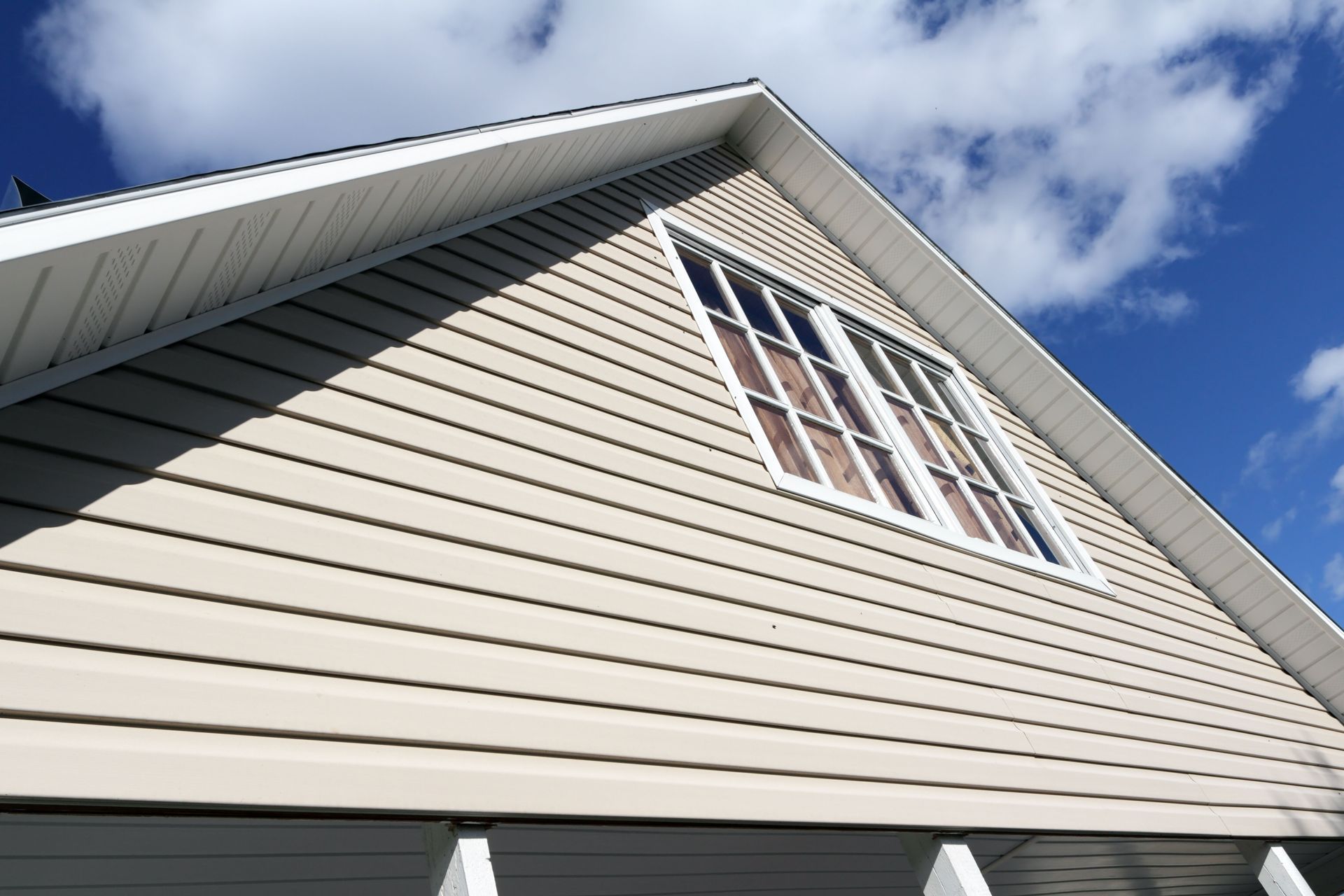
Texture and profile also play a role in architectural harmony. Horizontal lap siding, vertical panels, shingles, and board-and-batten styles convey different design messages. Siding contractors guide these choices to align with the home’s architectural style, whether traditional, contemporary, or transitional. This attention to design coherence enhances curb appeal while maintaining structural compatibility.
Increasing Energy Efficiency Through Exterior Improvements
While siding is often associated with appearance, it also influences energy performance. Gaps, cracks, and aging materials can allow air infiltration, leading to inconsistent indoor temperatures and increased energy usage. Siding contractors address these issues by improving the exterior envelope and supporting more stable interior conditions.
Insulated siding options and upgraded underlayment systems contribute to thermal resistance. Siding contractors evaluate how these components can be integrated into existing structures to enhance efficiency without altering interior spaces. Proper installation ensures that insulation performs as intended, reducing heat transfer and supporting overall comfort.
Energy efficiency improvements also have a visual component. Uniform siding installation eliminates uneven surfaces and patchwork repairs, creating a cleaner exterior appearance. By combining functional upgrades with aesthetic refinement, siding contractors deliver improvements that serve both practical and visual objectives.
Supporting Maintenance Planning and Long-Term Value
Durability is closely tied to how well siding systems are maintained over time. Siding contractors provide guidance on care requirements, helping property owners understand cleaning methods, inspection intervals, and signs of potential issues. This proactive approach supports longer service life and sustained curb appeal.
Different materials require varying levels of attention. Some options benefit from periodic washing, while others may need repainting or sealing at specific intervals. Siding contractors outline these expectations clearly, allowing property owners to plan maintenance efforts that align with their preferences and resources.
Long-term value is reinforced when siding systems age predictably and retain visual consistency. By selecting appropriate materials and establishing realistic maintenance plans, siding contractors help protect investments and reduce the likelihood of costly repairs. This strategic perspective ensures that exterior improvements continue to contribute positively to both durability and appearance over time.
Coordinating Exterior Updates With Broader Property Goals
Siding projects often coincide with other exterior improvements, such as window replacements, roofing updates, or trim enhancements. Siding contractors coordinate these efforts to ensure compatibility and sequencing that support overall project success. This coordination minimizes disruptions and creates a unified exterior presentation.
Planning with future updates in mind also supports durability. Siding contractors consider how current choices may affect later modifications, helping property owners avoid conflicts between materials or installation systems. This foresight contributes to a cohesive exterior that evolves smoothly over time.
By aligning siding improvements with broader property goals, siding contractors support outcomes that extend beyond immediate visual impact. Their comprehensive approach balances protection, efficiency, and design, resulting in exteriors that perform reliably while presenting a polished, well-maintained appearance. Call Accountable Exteriors today to schedule your siding service.